
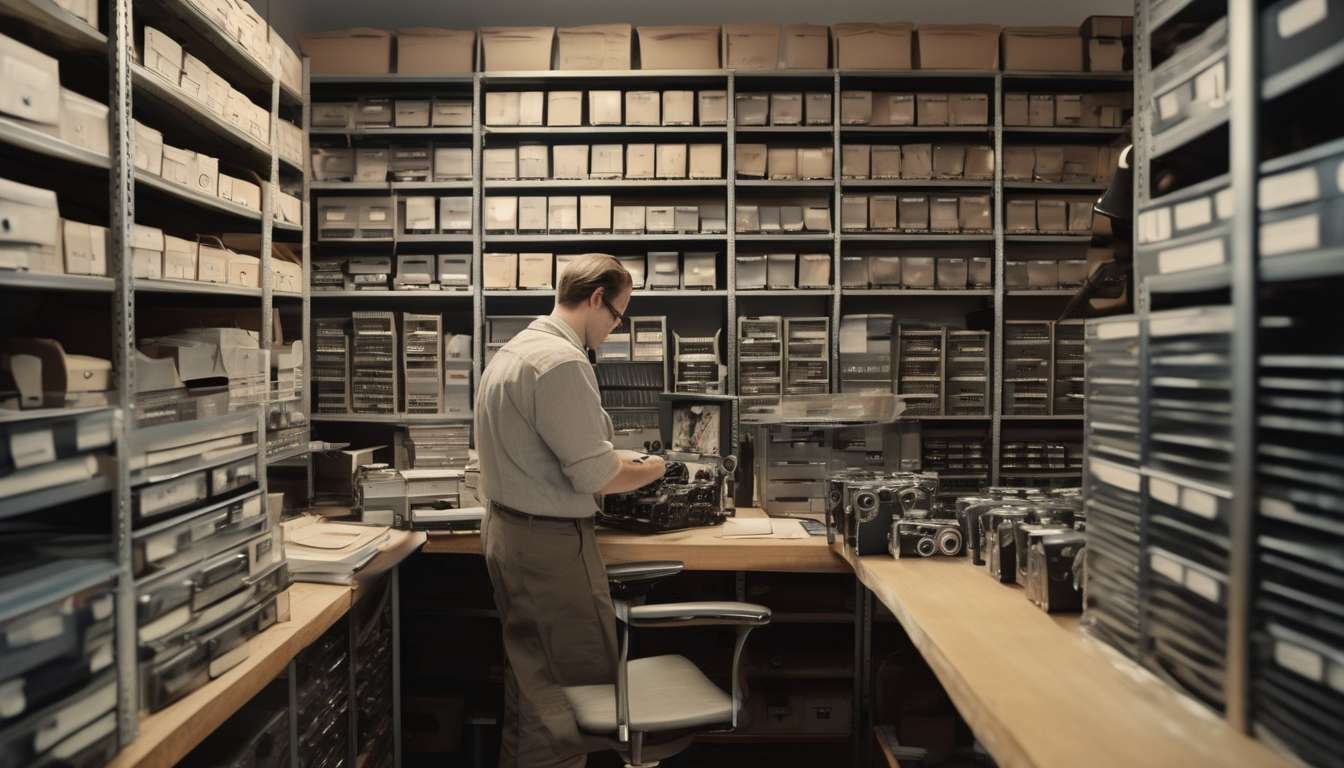
Archive Management Preserves Adult Movies Production Records
Just as librarians protect rare manuscripts, we steward the production records of adult movies with equal rigor and respect.
Many people assume these archives are chaotic or morally dubious, but the reality is a meticulous system that documents creative, legal, and labor histories.
Core archival materials include:
- Contracts and releases.
- Shot lists and production notes.
- Metadata describing participants, dates, locations, and technical details.
To balance preservation with privacy and compliance, we maintain:
- Chain-of-custody logs.
- Rights‑clearance files.
- Anonymized performer records.
We collaborate with multiple stakeholders to ensure responsible access:
- Legal teams for compliance and rights questions.
- Technologists for secure storage, migration, and integrity checks.
- Cultural historians and researchers for contextualization and legitimate scholarship.
Technical preservation practices cover a wide range of formats and integrity measures:
- Cataloging physical and analog formats from VHS dubs to film prints.
- Managing digital masters and performing format migration to avoid obsolescence.
- Ensuring data integrity with checksums, redundancy, and verified backups.
Our mission and outcomes:
- Preserve industry transparency and protect worker rights.
- Provide materials for legitimate research while preventing misuse.
- Convert assumptions into accountable histories through disciplined archive management.
Purpose and Mission
Purpose: We preserve, organize, and provide controlled access to adult film production records so researchers and stakeholders can understand industry practices while protecting privacy and legal rights.
Commitment to archival standards: We adhere to archival preservation standards that respect the dignity of everyone represented and the integrity of the materials we steward.
Community and stewardship ethos: We foster a welcoming community of researchers, creators, and rights holders who know we are safeguarding sensitive histories with care.
Chain of custody: We maintain a strict chain of custody to document every transfer, description, and custody change so provenance is transparent and trust is reinforced.
Layered access controls: We implement layered access controls that balance scholarly inquiry with confidentiality, including:
- Role-based permissions
- Redaction protocols
- Case-by-case review
Collaboration and legal alignment: We collaborate with legal advisors, industry representatives, and advocacy groups to align policies with evolving norms and laws.
Staff training and trauma-informed practice: We train staff in ethical handling and trauma-informed practices, and we invite community feedback to refine procedures.
Principles of stewardship: We believe stewardship means accountability, inclusion, and the long-term care of records that matter to people both inside and outside the industry.
Core Archival Materials
We identify, survey, and prioritize core materials.
- We catalog production files, contracts, talent records, raw footage, promotional assets, and correspondence that are essential for documenting adult film production practices.
- We catalog each item with clear metadata so the community can trust what’s preserved and why it matters.
- We balance collections of creative output and business records, recognizing every contributor’s role and ensuring inclusion.
We maintain rigorous archival preservation standards.
- We stabilize formats and create checksums to prevent loss.
- We document a strict chain of custody for transfers, noting when material changes hands and who authorized moves, so stewardship remains transparent.
- We apply tiered access controls, granting researchers and collaborators appropriate permissions while keeping sensitive items protected.
- We create redundancies across secure locations and schedule condition assessments, so materials stay usable for future study.
We share responsibility and expertise.
- We collaborate across the community to ensure records serve historical inquiry and the community’s desire to be seen, remembered, and respected.
Privacy and Compliance Protocols
We will apply privacy laws, performer consent terms, and data protection standards consistently to every item in our holdings.
We acknowledge archival preservation carries responsibilities to contributors and communities, so we adopt clear, inclusive policies that protect identities and respect consent history.
We document consent forms, redaction decisions, and retention schedules in a way that’s auditable and understandable to everyone who works with the collection.
We implement role-based access controls and logging so team members feel confident about who can view sensitive files and why.
We maintain metadata that records consent status and legal restrictions, and we review it regularly to reflect changes in law or performer requests.
We balance archival preservation best practices with transparency and discretion.
- Governed requests are processed consistently.
- We provide pathways for community members to request review or amendment of records.
We train staff on privacy, ensure contract clauses reinforce protections, and foster a culture where stewardship and empathy guide compliance.
Chain‑of‑Custody Practices
We’ll maintain a clear, auditable trail for every item from intake through final disposition so we can prove who handled each record, when, and why.
- We document transfers, tag physical files, and log digital moves so everyone on the team sees the same history.
- This shared visibility helps staff feel confident their work matters.
- We treat chain of custody as a shared commitment: signatures, time‑stamped entries, and sealed containers for sensitive reels or drives make responsibility visible.
We integrate archival preservation practices with tight access controls, limiting handling to designated staff and approved researchers.
- Access controls will include role‑based permissions and multi‑factor authentication for systems.
- Clear check‑out procedures for physical media will reduce unnecessary exposure.
- When custody changes, we communicate promptly and update records so no one is left guessing.
We train together on protocols, review incidents as a group, and refine procedures collaboratively.
- Regular training ensures consistent application of procedures.
- Incident reviews with team participation help identify improvements.
- Collaborative refinement keeps processes inclusive and effective.
By keeping processes consistent and inclusive, we protect provenance, support accountability, and maintain trust across our community of archivists and stakeholders.
Digital Preservation Strategies
Digital preservation goal:
We’ll implement robust digital preservation strategies that ensure long‑term accessibility, integrity, and authenticity of born‑digital and digitized adult movie production records.
Key technical practices:
- Standardized file formats. Adopt community‑endorsed preservation formats to reduce future conversion needs.
- Redundant storage. Maintain multiple geographically dispersed copies.
- Regular fixity checks. Run automated checksums and verify integrity on a schedule.
Balance and community engagement:
We prioritize archival preservation practices that balance technical rigor with respect for creators and subjects, keeping our community involved in policy decisions.
Provenance and chain of custody:
- Document provenance. Record origin, transfers, and any processing steps.
- Auditable chain of custody. Maintain logs and metadata that support evidentiary and historical value.
Access control and monitoring:
- Role‑based access controls. Limit exposure based on roles and responsibilities.
- Monitored authentication. Use logged authentication and access monitoring to detect misuse.
Obsolescence planning:
- Scheduled migrations. Plan periodic migrations to current formats.
- Emulation strategies. Maintain emulation options where migration isn’t feasible.
- Comprehensive logging. Log every preservation and access action so members can trust the archive’s stewardship.
Training and inclusive policies:
We’ll provide clear, inclusive policies and training so everyone who works with these records feels included and competent.
Overall approach:
By combining technical controls, documented workflows, and communal governance, we’ll keep these production records accessible, authentic, and secure for future generations.
Cataloging Physical Formats
Cataloging procedures by format
We’ll create clear, consistent cataloging procedures for each physical format—film reels, videotapes, negatives, paper production files, and props—so materials can be discovered, assessed, and managed reliably over time.
Standardized metadata and identifiers
We standardize metadata fields, assign unique identifiers, and record format-specific condition notes so everyone on our team feels confident locating items.
Preservation documentation
We emphasize archival preservation by documenting storage environment, conservation treatments, and digitization status.
Chain of custody and security
We log a strict chain of custody for transfers, loans, and handling events to protect provenance and accountability. Our labels and database link to secure storage locations and include restricted access flags.
Access controls
We implement access controls that balance researcher needs with legal and ethical obligations, defining who can view, handle, or request reproductions.
Training and audits
We train staff in consistent handling, labeling, and incident reporting, and we run regular audits to ensure records match physical holdings.
Goal — trusted, inclusive archive
By doing this together, we build a trusted, inclusive archive where materials are cared for transparently and responsibly.
Stakeholder Collaboration
Collaboration and stakeholders.
We’ll collaborate with creators, legal advisors, community representatives, and researchers to define responsibilities, address consent and rights issues, and ensure the archive serves diverse needs.
Set clear roles and responsibilities.
We’ll set clear roles so everyone knows how archival preservation will be maintained and respected.
Document provenance and chain of custody.
We’ll establish standards for documenting provenance and chain of custody to protect contributors and maintain trust.
Shared intake, metadata, and labeling protocols.
We’ll create shared protocols for intake, metadata, and labeling that honor identities and agreements while enabling responsible stewardship.
Regular engagement and policy adaptation.
We’ll meet regularly, invite feedback, and adapt policies as contexts change so contributors feel included and heard.
Dispute resolution and confidentiality.
We’ll outline dispute-resolution steps and confidentiality expectations that reflect community values.
Coordination with technical and legal teams.
We’ll coordinate with technical teams about durability, format migration, and minimal-risk handling, and we’ll align legal guidance with practical workflows.
Centering collaboration to balance goals and rights.
By centering collaboration, we’ll build an archive that:
- balances preservation goals with respect for people’s rights,
- fosters a sense of belonging among stakeholders, and
- embeds practical measures like documented chain of custody and thoughtful access controls into everyday practice.
Access and Use Controls
We will define clear, tiered access and use policies that limit who can view, copy, or publish materials based on consent, legal constraints, and risk assessments.
We will create roles and permissions that reflect the needs of creators, performers, researchers, and community members so everyone feels respected and included.
Our access controls will be documented and enforced through authentication, logging, and periodic review.
We will tie archival preservation decisions to allowed uses, ensuring formats and handling procedures protect integrity while honoring restrictions.
We will maintain a documented chain of custody for every item, recording transfers, custody changes, and authorized uses to build trust and accountability.
When disputes or new requests arise, we will consult stakeholders and legal advisors, applying consistent criteria and transparent appeals.
We will offer mediated access options to balance research value with privacy and consent:
- Supervised viewing
- Redacted copies
- Time-limited licenses
By combining strict access controls, clear policies, and collaborative governance, we will safeguard records and support a sense of shared stewardship.
How do you handle donations or acquisitions of material from private collectors who request anonymity?
When donors ask for anonymity, we respect their wishes and work with them to craft agreements that protect privacy while documenting provenance.
We accept materials with anonymous attribution.
- We use internal identifiers to track items without revealing donor identity.
- We limit access according to agreed terms to protect privacy.
We address legal and long-term considerations.
- We discuss deaccession policies and restricted-use periods with the donor.
- We consider legal implications and include relevant clauses in the agreement.
We maintain open communication so donors feel heard and confident.
- We keep donors informed about how their materials are preserved and used.
- We review and, when necessary, update agreements to reflect any changes.
What procedures are in place for authenticating materials when provenance is unclear or disputed?
We verify items when provenance is unclear or disputed by following transparent, respectful procedures.
We consult experts.
- Engage qualified independent specialists (conservators, historians, appraisers).
- Seek multiple expert opinions when possible to avoid single-source bias.
We compare physical and digital features.
- Examine materials, construction, maker’s marks, inscriptions, and tool marks.
- Review digital records, metadata, and any related digital imagery.
We cross-check dates and markings.
- Correlate stylistic elements, manufacturing techniques, and documented timelines.
- Verify serial numbers, accession marks, and ownership labels against known databases.
We review related documentation.
- Examine previous provenance records, bills of sale, export/import permits, and acquisition files.
- Trace chain-of-custody and note gaps or inconsistencies.
We involve community stakeholders.
- Notify and consult descendant communities, donor families, and relevant cultural organizations.
- Respect community perspectives and legal/ethical claims.
We document every step.
- Keep detailed written records of examinations, communications, and decisions.
- Maintain a clear audit trail for future review.
We use imaging and laboratory tests when needed.
- Apply non‑destructive imaging (X‑rays, infrared, ultraviolet) and microscopy first.
- Use targeted lab analyses (materials testing, radiocarbon dating, pigment analysis) when justified.
We err on the side of care and keep contested items flagged.
- Prioritize preservation and minimize invasive actions.
- Mark items as contested in catalogues and restrict certain uses (loans, display, sale) until resolved.
We welcome collaborative input to build shared trust.
- Share findings openly with stakeholders and experts.
- Invite joint problem‑solving and transparent decision-making.
- Update records and practices based on consensus and new evidence.
Are there specific preservation techniques for multilingual or culturally specific adult film materials (e.g., non-English text, regional packaging)?
We document original languages, scripts, and regional packaging details.
We digitize texts and capture high-resolution images of labels.
We store translations and transliterations alongside originals.
We use appropriate metadata standards.
We consult native speakers for accurate description and contextual notes.
We apply conservation treatments respectful of cultural materials.
We ensure access controls that honor community preferences.
Conclusion
You’ve seen how archive management preserves adult movie production records while balancing access, privacy, and legal compliance.
By following strict chain-of-custody, cataloging both physical and digital assets, and applying robust preservation strategies, you maintain the integrity and usability of these collections.
Collaborating with stakeholders and enforcing clear access controls lets you support research and operational needs without compromising sensitive information.
Ultimately, your disciplined practices ensure these records remain reliable, secure, and responsibly available.
